


1 Formosa Sailing Yacht for Sale
Browse our 1 Formosa sailing yacht listing and learn more about Formosa, the company that built them
Show 4 specialties
Formosa Buyer's Guides
(1 guide)Updated 1 January 2025 · By Hulls.io Editorial
About Formosa
Formosa Boat Building Co. Ltd. of Kaohsiung, Taiwan was one of the most significant producers of traditional bluewater cruising sailboats during the 1970s and early 1980s. The company was part of a remarkable chapter in maritime history — Taiwan's rise to become the world's leading exporter of recreational yachts, a period that earned the island the nickname "The Yacht Kingdom." At the industry's peak in 1987, Taiwan exported over 1,750 vessels worth nearly US$200 million to the United States alone.
Formosa's boats were designed by some of the most respected naval architects in the business. The company's flagship model, the Formosa 51 Ketch, was drawn by William Garden (1918–2011), a Canadian-born designer based in the Pacific Northwest who produced watercraft designs across six decades. Garden's design philosophy favoured traditional, seaworthy lines — clipper bows, pronounced bowsprits, sweeping sheerlines, and full-length keels that prioritised directional stability and comfort at sea over outright speed. Other designers associated with the Formosa range include Stan Huntingford, who penned the popular Formosa 42, and whose Baba 35 and Baba 40 designs were also built in Taiwan.
The construction methods used by Formosa were robust by any standard. Hulls were hand-laid solid fibreglass — the Formosa 51, for example, featured hull laminate 1¼ inches thick below the waterline, with no core materials. This made for an extremely heavy but enormously strong hull that could withstand the rigours of ocean passage-making. Decks were constructed as a fibreglass-and-plywood sandwich overlaid with teak planking, and the interiors were finished with lavish hand-carved teak throughout — solid wood bulkheads, intricate joinery, and decorative carvings that required craftsmen with seven to eight years of woodworking experience.
The Formosa range spanned from the entry-level Formosa 36 up to the Formosa 68, with the most popular models being the Formosa 41 Yankee Clipper (a ketch), the Formosa 46, and the flagship Formosa 51. The company also produced boats under the CT (China Trader) designation, sharing lineage with Ta Chiao Yacht Building Co. Ltd. of the same Kaohsiung region. The CT-41 and CT-54 are closely related to the Formosa range and often discussed alongside them.
Production slowed significantly in the late 1980s as the New Taiwan Dollar appreciated 58% against the US Dollar between 1986 and 1992, destroying the cost advantage that had made Taiwanese-built yachts so attractive to Western buyers. By the early 1990s, dozens of Taiwan yacht builders had closed or been acquired, and Formosa was among the casualties.
Today, Formosa yachts occupy a respected and specific niche in the used boat market. The hulls are renowned for their extraordinary thickness and strength — many examples are now over 40 years old and the solid fibreglass laminate remains in excellent condition. The boats offer genuine ocean-crossing capability at prices well below comparable modern bluewater designs. However, buyers must inspect carefully: the plywood-cored deck structure beneath the teak planking is the primary failure point, as water ingress through failed caulking can cause core rot over decades. Original chainplates, wiring, and tankage also warrant careful survey. A well-maintained or thoughtfully refitted Formosa remains one of the most affordable pathways to serious offshore cruising, and the owner community is passionate and well-connected.
1 Formosa Sailing Yacht For Sale
Formosa Listings
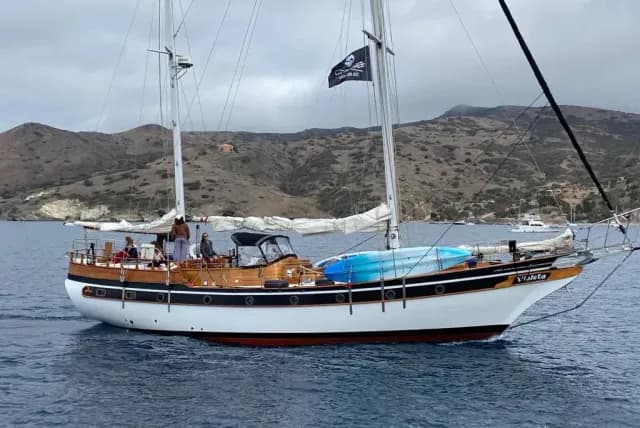
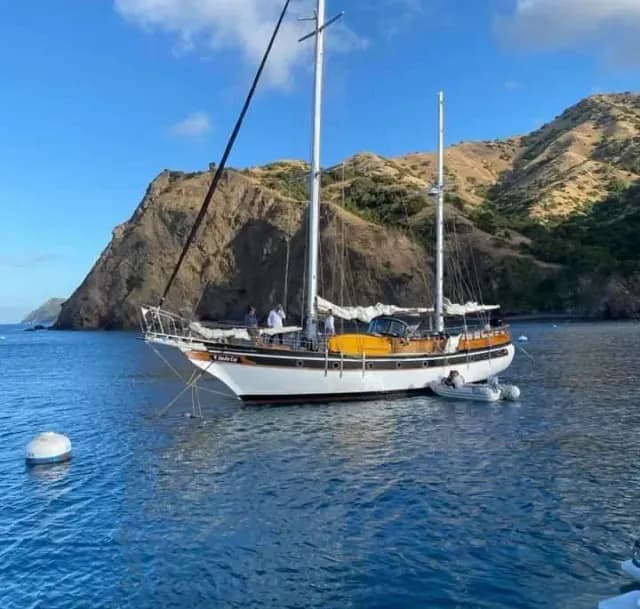
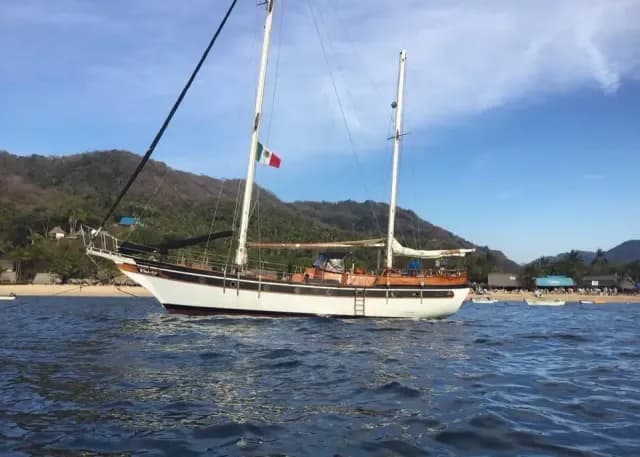
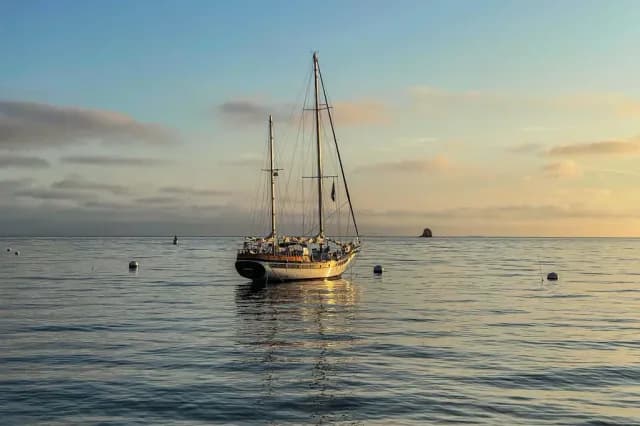
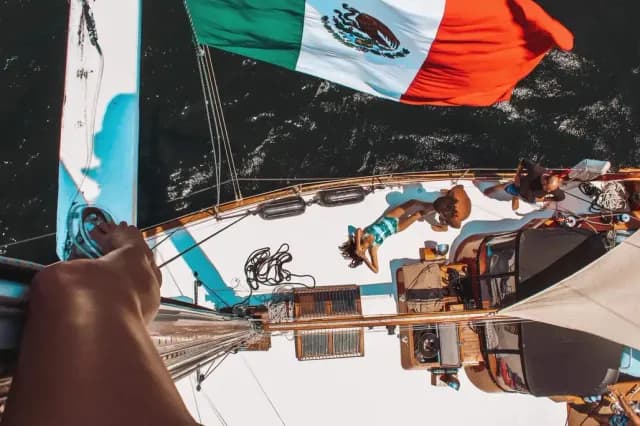
1976 Formosa 51 Ketch
Frequently Asked Questions About Formosa
Where were Formosa yachts built?
Formosa yachts were built by Formosa Boat Building Co. Ltd. in Kaohsiung, Taiwan. Production ran primarily from the late 1960s through the late 1980s. The company was part of Taiwan's boatbuilding boom, during which the island became the world's largest exporter of recreational yachts. Production ceased in the early 1990s when currency appreciation made Taiwanese-built boats uncompetitive.
Are Formosa yachts good bluewater boats?
Yes. Formosa yachts were purpose-built for ocean passage-making. The Formosa 51, for example, features 1¼-inch solid fibreglass hull construction, a full-length keel for directional stability, heavy displacement for a comfortable motion at sea, and generous fuel and water tankage. Numerous Formosa yachts have completed transatlantic crossings and full circumnavigations. The key concern on older boats is the condition of the plywood-cored deck structure, which should be professionally surveyed.
What is the most popular Formosa model?
The Formosa 51 Ketch, designed by William Garden, is the flagship and most iconic model. The Formosa 41 Yankee Clipper (also a ketch) is probably the most numerous model built. Other popular models include the Formosa 46 and the Formosa 42 (designed by Stan Huntingford). All share the characteristic full-keel, heavy-displacement design philosophy with traditional styling.
How much does a used Formosa yacht cost?
Used Formosa yachts vary widely in price depending on model, condition, and the extent of upgrades. A Formosa 51 typically ranges from $50,000–$75,000 for a project boat needing significant work, to $100,000–$170,000 for a well-maintained or professionally refitted example with modern rigging, updated electronics, and addressed deck issues. Smaller models like the Formosa 41 can be found from $30,000–$80,000.
What should I look for when buying a Formosa yacht?
The most critical inspection point is the deck condition — the plywood core under the teak planking is the primary failure point on these boats. Also check chainplates for crevice corrosion, the condition of the Ford Lehman diesel engine (common powerplant), electrical systems (original wiring was often substandard), and hull osmosis below the waterline. A boat with professionally re-cored or re-laid decks commands a significant premium. Always commission a full marine survey from a surveyor experienced with Taiwan-built yachts.