


Riva 68 Diable for Sale
Open Sport YachtThe Riva 68 Diable is a 68-foot open sport yacht designed by Officina Italiana Design (Mauro Micheli & Sergio Beretta) and built by Riva, part of the Ferretti Group, at their facilities in Sarnico and La Spezia, Italy. Introduced in 2020 as the successor to the Riva 66 Ribelle, the Diable combines unmistakable Riva styling — the brand founded in 1842 by Pietro Riva on Lake Iseo — with twin MAN V12 power producing up to 3,300 hp for a top speed approaching 40 knots. The carbon fibre hardtop with electric sunroof, integrated tender garage, and three-cabin layout with separate crew quarters create a yacht that is as capable at speed as it is elegant at anchor. Riva's interiors in American walnut, leather, and stainless steel are finished by craftspeople at Ferretti Group's Italian facilities, delivering a fit and finish that competes with the finest yacht builders in the world.
Show 2 awards
Show 6 key features
Updated 10 June 2026 · By Hulls.io Editorial
The Riva 68 Diable: A Complete Guide
The Riva 68 Diable is the boat that crystallises what the Riva brand has become under Ferretti Group ownership: unmistakable Italian style, genuine performance, and the kind of presence that makes people stop on the quayside. Designed by Officina Italiana Design — the studio of Mauro Micheli and Sergio Beretta, who have shaped every Riva since the late 1990s — the 68 Diable replaced the 66 Ribelle in 2020 and sits at the heart of Riva’s open-top sport yacht range, below the 76 Bahamas and 88 Folgore and above the 56 Rivale and 48 Dolceriva.
The name “Diable” signals intent. Twin MAN V12 engines producing up to 3,300 hp combined push the 37-tonne dry hull to nearly 40 knots — a top speed that places it among the fastest production yachts in the 65–70 ft segment. But the Diable is not merely about speed. The carbon fibre hardtop with electric sunroof, the integrated tender garage accepting a 3.2-metre Williams jet tender, and the three-cabin layout with separate crew quarters create a yacht that works equally well anchored off Positano as it does cutting across the Solent at 34 knots.
Riva is one of the oldest boatbuilding names in the world. Founded in 1842 by Pietro Riva on the shores of Lake Iseo in northern Italy, the yard rose to global fame under Carlo Riva, whose mahogany runabouts — the Tritone, Ariston, and iconic Aquarama — became the definitive symbols of mid-century Italian glamour. After a period of private ownership changes, Riva joined the Ferretti Group in 2000 and has since been repositioned as a luxury brand competing directly with the likes of Pershing and Mangusta. Production takes place across Ferretti Group’s Italian facilities at Sarnico on Lake Iseo and La Spezia on the Ligurian coast, with the same resin infusion and carbon fibre techniques used across the wider Ferretti fleet.
For buyers considering the Riva 68 Diable, the proposition is straightforward. This is a yacht for owners who value design as highly as performance — who want the visceral thrill of 38 knots combined with an interior and exterior that will still look contemporary in a decade. The trade-offs are the ones any Riva buyer accepts: a price premium over less prestigious Italian alternatives, running costs commensurate with 3,300 hp of MAN V12 power, and an ownership experience that demands either a captain or genuine competence at the helm of a 45-tonne loaded yacht.
Hulls.io currently tracks 1 active listing for the Riva 68 Diable, drawn from brokerages worldwide.
Showing 1–1 of 1 results
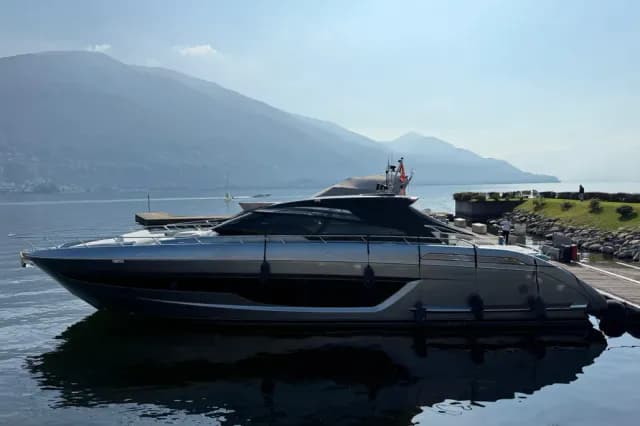
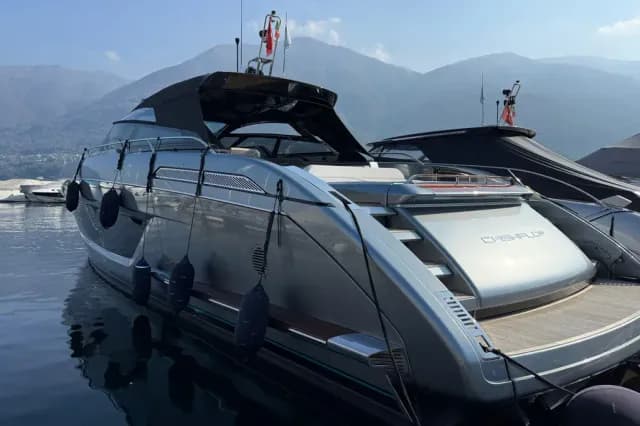
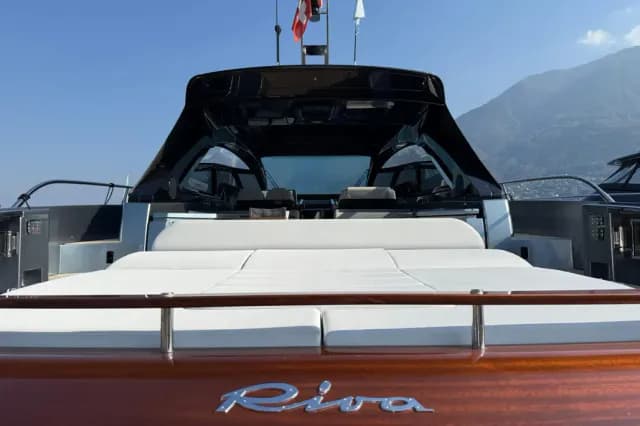
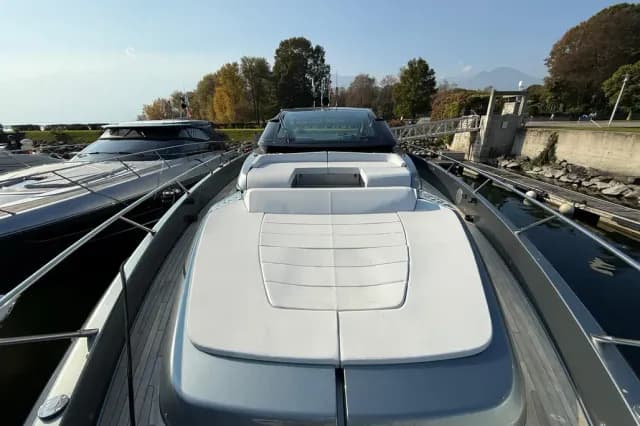
Riva 68 Diable Specifications
| Specification | Detail |
|---|---|
| LOA | 20.67 m (67 ft 10 in) |
| Hull length | 19.06 m (62 ft 6 in) |
| Beam | 5.29 m (17 ft 4 in) |
| Draft (loaded) | 1.78 m (5 ft 10 in) |
| Dry displacement | 37,000 kg (81,571 lbs) |
| Loaded displacement | ≈45,000 kg (99,208 lbs) |
| Hull material | GRP with carbon fibre structural reinforcement |
| Engines (standard) | 2× MAN V12 1550, 1,550 hp (1,140 kW) each |
| Engines (optional) | 2× MAN V12 1650, 1,650 hp (1,213 kW) each |
| Drive | Straight shaft |
| Top speed | 38–40 knots (engine dependent) |
| Cruising speed | 34 knots at 2,000 RPM |
| Fuel capacity | 3,800 litres (1,004 US gal) |
| Water capacity | 600 litres (159 US gal) |
| Guest cabins | 3 (master amidships, VIP forward, twin/convertible) |
| Crew cabin | 1 (aft, with separate head) |
| Heads | 3 guest + 1 crew (4 total) |
| Hardtop | Carbon fibre with electric sunroof |
| Tender garage | Integrated, accepts up to 3.2 m tender (e.g. Williams 325) |
| Exterior design | Officina Italiana Design (Mauro Micheli & Sergio Beretta) |
| Interior design | Officina Italiana Design |
| Builder | Riva (Ferretti Group), Sarnico & La Spezia, Italy |
| CE category | B (Offshore) |
| Production years | 2020–present |
The specification reveals a yacht designed for fast Mediterranean day-cruising and weekend passages. The 3,800-litre fuel capacity is generous for a sport yacht of this size — providing enough range for extended coastal cruising without the anxious fuel management that plagues some performance boats. The 600-litre water capacity is adequate for a few days at anchor. At 37,000 kg dry, the Diable is substantially heavier than the carbon-intensive Pershing 7X (30,500 kg) but lighter than a comparable flybridge yacht, reflecting the open-top configuration’s weight advantage. The CE Category B (Offshore) certification permits operation in seas up to 4 metres and wind up to Beaufort 8 — well-suited to Mediterranean and Caribbean cruising, though not rated for open-ocean crossings.
Performance & Handling
At speed: The standard twin MAN V12 1550 engines produce 3,100 hp combined and push the 68 Diable to a top speed of approximately 38 knots. The optional 1,650 hp upgrade raises the combined output to 3,300 hp, extending top speed to 39–40 knots. Fuel consumption at wide-open throttle is approximately 150 US gallons per hour (568 litres per hour). The hull transitions onto the plane cleanly and progressively, without the aggressive bow rise that characterises some performance yachts. At 34 knots — a realistic fast cruise — the Diable covers ground at a rate that makes ambitious day plans practical: Cannes to Saint-Tropez in under an hour, or Palma to Ibiza in two.
Cruising speed: At 34 knots (approximately 2,000 RPM), fuel consumption sits around 132 US gallons per hour (500 litres per hour), giving a realistic cruising range of approximately 240 nautical miles from the 3,800-litre tanks with a sensible 10% fuel reserve. Throttled back to 25 knots, consumption drops significantly and range extends beyond 300 nautical miles — enough for serious island-hopping without daily fuel stops.
Slow-speed handling: The Riva 68 Diable uses conventional straight-shaft propulsion, augmented by a Zipwake dynamic trim system and bow and stern thrusters. An optional joystick docking system integrates engines and thrusters for close-quarters manoeuvring. At 45 tonnes loaded, the Diable demands respect in marinas — this is not a boat for tentative docking. With the joystick system fitted, stern-to berthing becomes manageable for an experienced owner, but many owners employ a captain for port work. The straight-shaft drive is a deliberate choice by Riva, prioritising high-speed efficiency over the low-speed convenience of pod drives.
Ride quality: The deep-V hull form handles Mediterranean chop with confidence at speed. The Zipwake system automatically adjusts trim to maintain optimal running angle, reducing bow slam in head seas and improving passenger comfort. The optional Seakeeper gyrostabiliser (available from the factory) transforms the at-anchor experience, virtually eliminating roll in beam seas — a meaningful upgrade for owners who spend time at anchor rather than exclusively underway. The carbon fibre hardtop keeps weight low, contributing to a centre of gravity that is noticeably lower than hardtop competitors using heavier construction methods.
Interior Layout & Living Aboard
Officina Italiana Design’s interior for the Diable is unmistakably Riva. The standard palette combines American walnut, lacquered surfaces, leather, and stainless steel — the brand’s signature material language that traces a direct line back to Carlo Riva’s mahogany runabouts. The finish quality is exceptional: Riva interiors are assembled by craftspeople at Ferretti Group’s Italian facilities, and the joinery work competes with the finest yacht builders in the world. Headroom throughout the guest areas is approximately 1.95 m (6 ft 5 in), generous for an open sport yacht where hull depth is constrained by the low-profile exterior styling.
The master suite is positioned amidships in the widest and most stable part of the hull. The layout features a double berth with hull-side windows that flood the cabin with natural light. The en-suite head includes a separate shower compartment. Hanging storage and drawer space are well-planned for a yacht of this type — more than adequate for a long weekend but not designed for extended liveaboard use. The finish in the master cabin sets the tone for the entire yacht: hand-stitched leather headlining, brushed steel fittings, and the trademark Riva attention to detail.
The VIP cabin forward offers a full-size double berth with its own en-suite head. Despite the hull narrowing forward, the cabin feels spacious thanks to clever use of mirrors and overhead hatches. The third cabin can be configured as either a twin-berth or a convertible double, depending on the owner’s preference. Below the cockpit, a crew cabin with a single berth and separate head is accessed via a dedicated companionway — providing proper crew separation for owners who employ a captain.
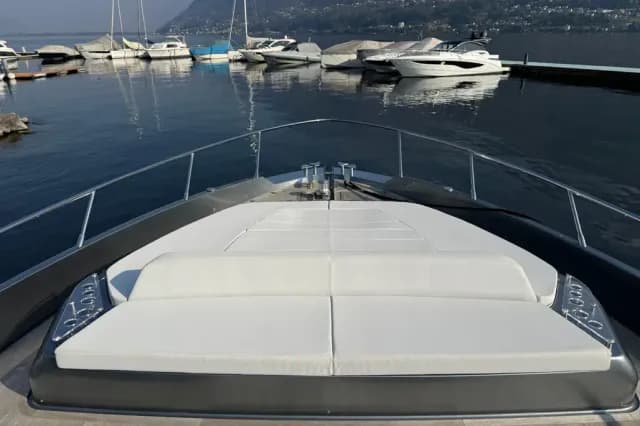
The main deck is where the Diable distinguishes itself from conventional flybridge yachts. The open cockpit flows seamlessly into the salon through electrically operated glass doors. A C-shaped sofa aft seats eight for dining, with a pop-up table that stows flush when not in use. The helm station is positioned to starboard with a triple-screen dashboard and the carbon fibre hardtop overhead, which features an electric sunroof that retracts to create an al fresco driving experience at speed. Forward of the helm, a sunpad area provides lounging space when anchored.
The tender garage is integrated into the transom, accepting a tender up to 3.2 metres (typically a Williams 325 jet tender). The hydraulic platform lowers the tender directly into the water and doubles as a swim platform — one of the most-used features on any Mediterranean sport yacht. A wet bar with sink and refrigerator serves the cockpit area, and there is provision for a barbecue grill. The overall effect is a yacht designed for outdoor living in warm climates, with the interior serving as a refined retreat when the sun goes down.
Riva 68 Diable Ownership: What to Expect
Owning a Riva is a premium experience in every sense — including financially. The 68 Diable’s twin MAN V12 engines, high-specification interior, and Italian parts supply chain create an ownership cost profile that sits above mass-market competitors. Annual running costs typically fall in the following ranges:
- Insurance: 1.5–2.5% of hull value. On a yacht insured at €2,500,000, this translates to approximately €37,500–€62,500 per year. Mediterranean-only cruising sits at the lower end; transatlantic deliveries or Caribbean cruising add a premium.
- Berthing: A 21-metre sport yacht commands premium marina fees. Côte d’Azur berths range from €25,000–€60,000+ per year depending on location. Croatia and the Balearics offer more competitive rates at €15,000–€30,000.
- Engine servicing: Twin MAN V12 engines require specialist servicing. Annual maintenance costs approximately €15,000–€25,000 depending on hours and location. MAN has a strong European service network, with good coverage across the Mediterranean.
- Haul-out and antifouling: €8,000–€15,000 for a 21-metre sport yacht, including hull cleaning, antifouling, running gear inspection, and anode replacement.
- Fuel: At 132 GPH at 34-knot cruise, a three-hour day outing consumes approximately 396 US gallons. This is the defining variable cost of high-performance yacht ownership. Throttling back to 25 knots significantly reduces consumption and extends range.
- Approximate total: €100,000–€250,000 per year depending on usage intensity, location, captain costs, and fuel consumption patterns.
New pricing and depreciation: The Riva 68 Diable lists from approximately €3.0–3.5 million new, depending on specification. Riva holds its value better than most Italian yacht brands — the brand cachet, limited production numbers, and high desirability create a shallower depreciation curve than volume builders. Early 2020–2021 examples are now appearing on the brokerage market at approximately €2.2–2.8 million, representing 20–30% depreciation over 4–5 years. This compares favourably to competitors that can lose 35–40% over the same period.
The Riva premium: It is worth stating plainly that Riva ownership carries a brand premium. You will pay more to buy, more to maintain, and more for parts than you would with a comparable-size yacht from a volume Italian builder. The return is a yacht with genuine design pedigree, superior finish quality, and a resale value that reflects the enduring desirability of the Riva name. Whether that premium is justified is a personal decision — but the brokerage market consistently demonstrates that buyers are willing to pay it.
How to Buy a Riva 68 Diable: What to Look For
Model years: Production began in 2020 and continues to the present day. The earliest used examples are now 5–6 years old. Riva makes running refinements through the production run, so later boats may benefit from subtle improvements to systems integration and fit-and-finish details. Boats delivered during the 2020–2021 COVID period may have experienced supply chain disruptions that affected component availability during fit-out.
Known Issues to Inspect
- Engine hours: The twin MAN V12 engines are powerful, complex units. Low hours are desirable, but consistent use with proper warm-up and cool-down procedures is more important than an odometer reading. Engines that sit unused for extended periods can develop issues with injectors, turbochargers, and cooling systems. Request a full MAN engine report with service history.
- Gelcoat and hull condition: The hull is finished in Riva’s signature colour palette (typically ivory or dark blue options). The high-gloss gelcoat is central to the yacht’s visual impact and expensive to restore if damaged. Inspect carefully for crazing, stress cracks around hardware attachment points, and any collision damage to the bow or stern platforms. A respray of the topsides on a 68-foot yacht is a substantial expense.
- Carbon fibre hardtop: The carbon fibre hardtop with electric sunroof is a defining feature. Inspect the sunroof mechanism for smooth operation and check for any delamination or UV damage to the carbon fibre surface. The sunroof seals should be checked for water ingress, particularly on boats that have been left uncovered.
- Hydraulic systems: The tender garage, swim platform, and various other systems are hydraulically operated. Test every hydraulic function during the survey and inspect hydraulic fluid for contamination. Hydraulic pump and valve failures are the most common mechanical issues on sport yachts of this type.
- Electronics and systems integration: Modern Rivas feature extensive electronic systems integration. Verify that all screens, multifunction displays, lighting controls, and entertainment systems are fully operational. Software updates from the factory should be current.
- Parts sourcing: Riva-specific trim, hardware, and interior components are sourced from Italy. Lead times of 4–10 weeks are common for bespoke items. The MAN engines and standard marine systems (Garmin/Raymarine electronics, Zipwake trim) are globally supported. Budget for potential delays when ordering Riva-branded components.
Equipment That Adds Value
When assessing a used Riva 68 Diable, the following factory options represent genuine added value: Seakeeper gyrostabiliser, joystick docking system, upgraded MAN V12 1650 engines, Williams jet tender with garage, teak cockpit and swim platform decking in good condition, full navigation electronics package (radar, thermal camera, autopilot), cockpit air conditioning, watermaker, and crew cabin fitted with air conditioning. A boat with the Seakeeper and joystick docking system is worth a meaningful premium — these items cost over €60,000 combined to retrofit.
Commissioning a Survey
A sport yacht survey at this level should include a full hull inspection out of the water with moisture meter readings, engine assessment by a MAN-accredited specialist covering both engines and gearboxes, a sea trial at full speed and all cruise settings including dynamic trim system calibration, and a comprehensive systems check covering hydraulics, electronics, HVAC, and the tender garage mechanism under load. Budget €4,000–€7,000 for a thorough survey. Engage a surveyor with experience of Italian sport yacht construction — the Ferretti Group build methodology differs from British yards, and a surveyor familiar with the construction practices will provide more meaningful insights.
Riva 68 Diable vs Competitors
The 65–70 ft open sport yacht segment is one of the most aspirational in the motor yacht market, occupied by brands that compete as much on design identity and prestige as on technical specification. Each manufacturer takes a distinct approach to the challenge of combining high performance with genuine living space.
Riva 68 Diable vs Pershing 7X
The Pershing 7X (Ferretti Group stablemate) is the Diable’s most direct competitor and, interestingly, comes from the same corporate family. The Pershing uses triple MAN V12 engines with IPS drives, producing a combined 3,900 hp and achieving over 40 knots — it is measurably the faster boat. At 30,500 kg dry, the Pershing is also nearly 7 tonnes lighter, owing to more extensive use of carbon fibre and advanced composites throughout the structure. The Pershing’s aesthetic is aggressive, angular, and uncompromisingly modern — where the Riva retains a softer, more elegant Italian design language. The interior finish on both is excellent, though the Riva’s walnut-and-leather warmth appeals to different tastes than the Pershing’s more contemporary palette. The Pershing commands a roughly 15–20% price premium over the Riva. For pure performance buyers, the Pershing is the logical choice; for those who prioritise design heritage and timeless style, the Riva holds the edge.
Riva 68 Diable vs Sunseeker Predator 65
The Sunseeker Predator 65 represents the British approach to the sport yacht segment. Available with both conventional shaft drives and optional Volvo IPS pods, the Predator offers more flexibility in propulsion configuration than the shaft-only Riva. IPS-equipped Predators have a significant advantage in close-quarters handling — the joystick docking experience on pod drives remains meaningfully better than shaft-and-thruster systems. The Sunseeker’s interior is spacious and well-built with high-quality British cabinetry, though it lacks the distinctive material language that defines a Riva interior. The Predator also offers more standard equipment for a lower base price. The Riva counters with superior straight-line speed, the carbon fibre hardtop, stronger resale values, and the brand prestige that comes with nearly two centuries of Italian boatbuilding heritage.
Riva 68 Diable vs Princess V65
The Princess V65 is a more versatile sport yacht, offering both open and enclosed deck configurations. Princess Yachts’ construction quality is consistent and well-regarded, with Plymouth-built craftsmanship that emphasises durability over flair. The V65 typically offers Volvo IPS drives as standard, giving it superior low-speed handling and fuel efficiency at cruise compared to the Riva’s straight-shaft arrangement. Interior volume is comparable, though the Princess provides a slightly more practical layout for extended cruising. The trade-off is in character: the Princess is the sensible, well-engineered choice. The Riva is the emotional one — the yacht people photograph, talk about, and remember. This is not a trivial distinction in a market segment where emotional appeal drives purchase decisions.
Riva 68 Diable vs Azimut S6
The Azimut S6 is a smaller sport yacht (60 ft vs 68 ft) at a significantly lower price point, making it more of a market-segment comparison than a direct competitor. The S6 uses triple Volvo IPS 700 pods and a carbon fibre superstructure to achieve 35 knots from a 29,500 kg displacement — lighter and more fuel-efficient, but with less outright speed and presence than the Diable. The Azimut interior is well-appointed with Poltrona Frau leather, but the Riva’s fit and finish occupy a higher tier. The S6 is the pragmatic Italian sport yacht; the Diable is the aspirational one. For buyers choosing between them, the question is whether the additional 8 feet of waterline, the MAN V12 performance, and the Riva brand cachet justify the substantial price premium.
For a full interactive depreciation comparison between the Riva 68 Diable and competing models, visit the Hulls.io Market Intelligence tool, where you can overlay pricing trends, track seasonal demand, and benchmark value retention across the sport yacht segment.